English
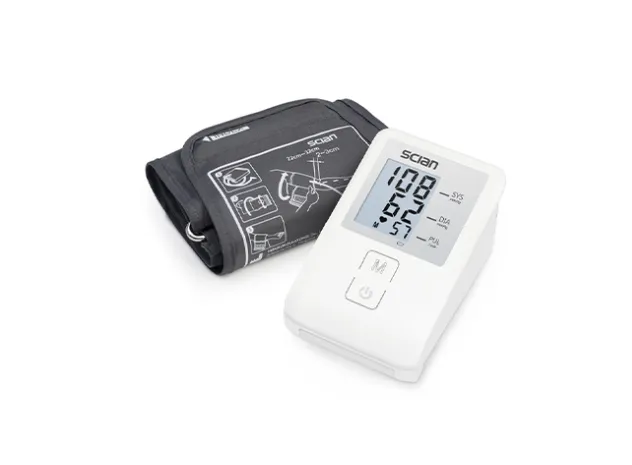
Which Type Is Generally Preferred for Home Blood Pressure Monitoring?
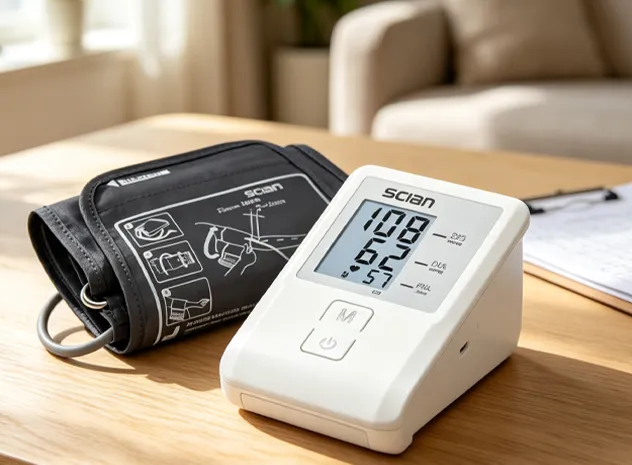
The American Heart Association recommends an automatic, cuff-style upper arm monitor for home use and advises choosing a validated device with the correct cuff size.
Wrist monitors can still be useful in certain situations, but they are more sensitive to positioning. Mayo Clinic notes that a wrist monitor should be placed directly over the radial artery, kept at heart level, and used without bending the wrist. See Mayo Clinic guidance.
Upper Arm vs Wrist: Where Does Each Monitor Measure?
The two formats use similar oscillometric measurement principles, but the cuff position and artery being measured are different.
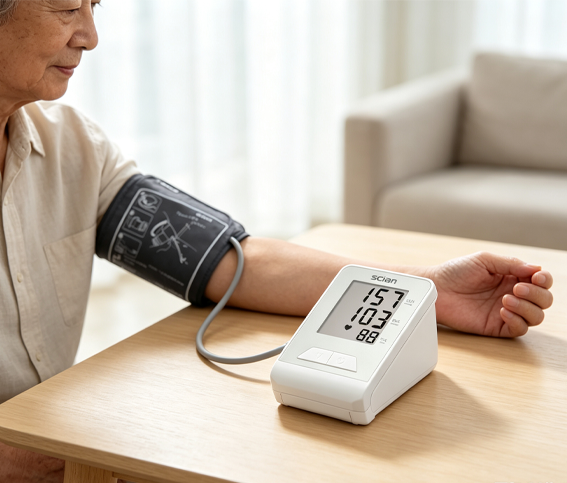
Measures at the Upper Arm
The cuff wraps around the upper arm and measures pressure in the brachial artery area. The arm should be supported so the cuff is approximately at heart level.
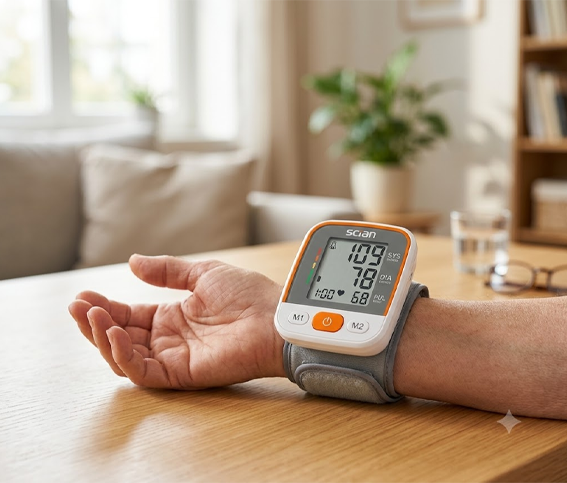
Measures at the Wrist
The cuff wraps around the wrist near the radial artery. Because the wrist can easily sit above or below heart level, careful positioning is especially important.
What Changes in Everyday Use?
Beyond the measurement site, the main differences involve cuff fit, portability, positioning, and how easy it is to repeat the same technique each time.
Cuff Fit
Upper arm monitors require a cuff that matches upper-arm circumference. Wrist devices need a secure fit around the wrist.
Positioning
Both require heart-level positioning, but wrist monitors are particularly sensitive to the angle and height of the wrist.
Portability
Wrist monitors are usually smaller and easier to pack, while upper arm devices may offer larger displays and broader cuff options.
Repeatability
A format that is easy for the user to position the same way each time can make home measurements more consistent.
Which Type May Fit Different Home-Use Needs?
This is not only a question of size. Think about cuff fit, measurement technique, portability, and how the device will actually be used.
For Routine Home Monitoring
A validated automatic upper-arm monitor is the format recommended by the American Heart Association for most home users when an appropriate cuff fits.
When Compact Size Matters
A wrist monitor is smaller and easy to store or travel with, but the user must be comfortable keeping the wrist correctly positioned at heart level.
When Upper-Arm Cuff Fit Is Difficult
If a suitable upper-arm cuff is difficult to fit, discuss alternative options with a healthcare professional rather than choosing a wrist device only for convenience.
For More Than One User
Look for device memory, user profiles, cuff fit, display readability, and data functions that match how the household intends to track readings.
5 Things to Check Before Choosing Any Home Blood Pressure Monitor
Compare SCIAN Upper Arm and Wrist Blood Pressure Monitors
Wrist vs Upper Arm Blood Pressure Monitor FAQs
Are wrist blood pressure monitors accurate?
Some wrist monitors may provide useful readings when used exactly as directed, but positioning is especially important. Check the device against professional measurements when advised.
Why are upper arm monitors usually recommended?
Major home-monitoring guidance, including the American Heart Association, generally prefers validated automatic upper-arm cuff devices for routine home use.
What is the biggest mistake with a wrist monitor?
Poor positioning is a common problem. The wrist should be kept approximately at heart level and should not be bent during measurement.
Does portability matter more than monitor type?
Portability is useful, but validation, cuff fit, and the user's ability to repeat the correct technique should come first when choosing a home device.
The Best Choice Is the One That Can Be Used Correctly and Consistently
For most routine home monitoring, current guidance favors a validated automatic upper-arm cuff monitor. Wrist monitors can still serve specific needs, especially when compactness or cuff fit is a concern, but careful positioning is essential. Whichever format is selected, follow the device instructions and discuss unusual readings or device suitability with a healthcare professional.
Medical note: This article is for general educational purposes and does not replace diagnosis, treatment, or individualized advice from a qualified healthcare professional. Always follow the instructions supplied with your blood pressure monitor and any monitoring plan recommended by your healthcare professional.