Proactive health management begins with accurate, repeatable baseline data. In an era where cardiovascular health and routine vital monitoring are increasingly managed at home, consumers and healthcare providers rely on advanced digital diagnostics. Designed in compliance with ISO 81060-2 (non-invasive sphygmomanometers) and ISO 80601-2-56 (clinical thermometers), SCIAN develops health monitoring devices that combine clinical-grade accuracy of ±3 mmHg for blood pressure and ±0.2°C for temperature with intuitive digital displays to simplify daily wellness tracking.
The Critical Need for Clinical-Grade Home Blood Pressure Tracking
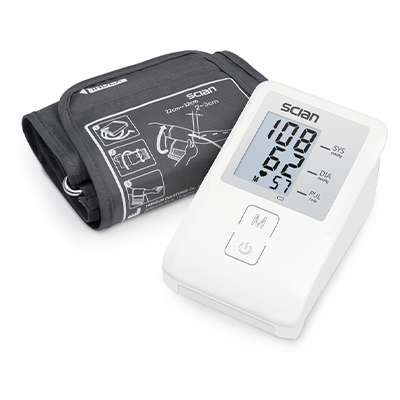
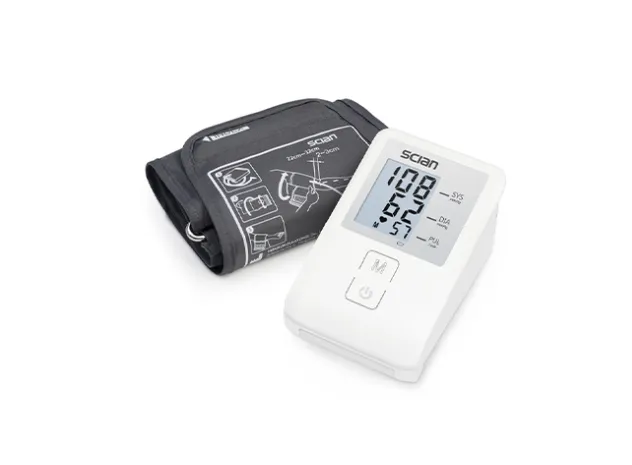
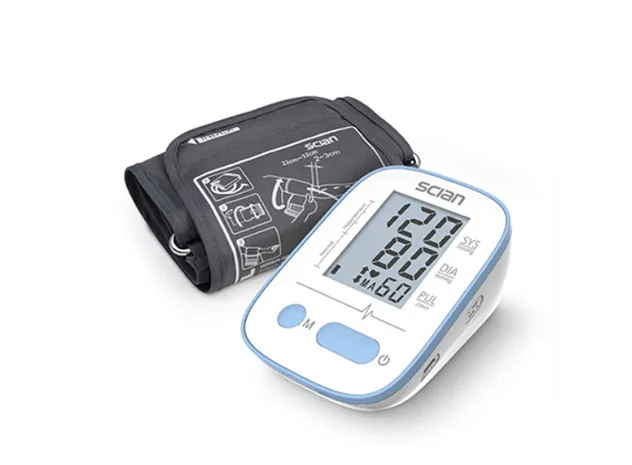
Hypertension remains a leading silent risk factor for cardiovascular disease. Effective long-term management requires regular monitoring outside clinical settings, where anxiety-induced elevation (known as "white coat syndrome") can lead to overestimation of true baseline pressure. SCIAN digital blood pressure monitors employ advanced oscillometric algorithms featuring motion artifact rejection and arrhythmia detection, combined with intelligent cuff inflation, to ensure precise systolic, diastolic, and pulse measurements. By eliminating manual stethoscope dependencies, these devices enable users of all ages to maintain accurate, longitudinal health logs.
Non-Invasive Diagnostics: Balancing Speed, Safety, and Comfort
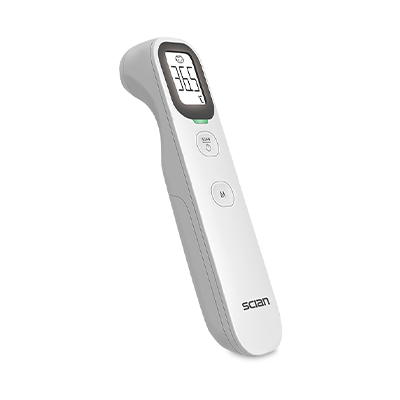
Temperature monitoring has similarly evolved from traditional glass mercury instruments to rapid, non-invasive digital and infrared thermometers. Modern diagnostic devices prioritize speed and hygiene while delivering clinical-grade accuracy of ±0.2°C (35°C–42°C range). SCIAN thermometers utilize high-sensitivity thermal sensors with rapid response time of <1 second to deliver instant readings, reducing measurement friction for caregivers monitoring infants or elderly family members in domestic and institutional settings alike.
Designing for Accessibility in Modern Medical Electronics
User experience is a fundamental component of compliance in home diagnostics. If a health monitor is difficult to read or operate, users are less likely to maintain consistent tracking habits. SCIAN integrates high-contrast LCD screens, voice-prompt functionalities, and expansive memory storage into its monitoring lineup. These design choices ensure that elderly demographics can independently manage their daily health routines.
Conclusion
Accurate health monitoring transforms reactive medicine into proactive wellness management. Through continuous innovation in digital blood pressure measurement and rapid thermometry, SCIAN provides dependable diagnostic tools designed for modern households and clinical distributors worldwide.
Frequently Asked Questions (FAQs)
How often should a digital blood pressure monitor be calibrated?
Validation checks are recommended every 2 years, or per manufacturer's guidelines, and after any drop or impact to the device.
What is oscillometric measurement in blood pressure monitors?
It is a method that detects the oscillation of blood pressure against an arterial wall beneath an inflatable cuff, translating wave fluctuations into digital blood pressure values.
Are infrared thermometers as accurate as traditional contact models?
High-grade infrared sensors can provide comparable accuracy to contact thermometers when used correctly and according to the manufacturer's distance and positioning guidelines. They offer the advantages of rapid measurement and improved hygiene.
Can SCIAN blood pressure monitors store multiple user profiles?
Many models include dual-user memory banks, allowing multiple household members to track and review their historical readings independently.
What factors can affect the accuracy of a home blood pressure reading?
Home BP accuracy is affected by: incorrect cuff size (using a cuff that is too small may overestimate BP, while a cuff that is too large may underestimate it — refer to the user manual for proper cuff selection), arm not at heart level, full bladder, recent caffeine/nicotine or alcohol intake, talking during measurement, recent exercise, body position (e.g., seated with back supported, feet flat on floor), ambient temperature, and insufficient resting (<5 min). Device calibration and single-readings also matter — take 2–3 readings at 1–2 min intervals and average.
References & Reference Websites:
American Heart Association:https://professional.heart.org/en/
American Heart Association:https://www.heart.org/
European Society of Hypertension:https://www.eshonline.org/
 English