Overview and Epidemiology
Hypertension has emerged as the leading global risk factor for premature death and disability. In the United States, approximately 34.3% of adults have hypertension (defined by the 140/90 mmHg standard); in China, the number of affected individuals has surpassed 300 million. The prevalence increases markedly with age, affecting 45.8% of adults aged 45-64 and 66.5% of those aged 65 and older. Globally, the rates of awareness, treatment, and control of hypertension remain suboptimal. While some patients may experience symptoms such as headache, dizziness, or blurred vision, the condition is often asymptomatic in its early stages.
Systemic Target Organ Damage
Cardiovascular System: Individuals with hypertension have a 2-3 fold increased risk of coronary heart disease and approximately 10-fold higher incidence of heart failure compared to normotensive individuals.
Cerebrovascular System: Hypertension is present in approximately 70% of stroke patients.
Renal Damage: Hypertension is a major cause of chronic kidney disease, leading to renal arteriosclerosis, glomerulosclerosis, and eventual renal failure.
Other Target Organs: Additional complications include retinopathy (potentially leading to blindness), peripheral arterial disease (manifesting as intermittent claudication), and metabolic syndrome.
Prevention and Therapeutic Interventions
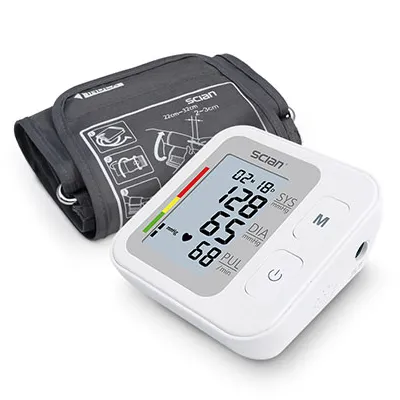
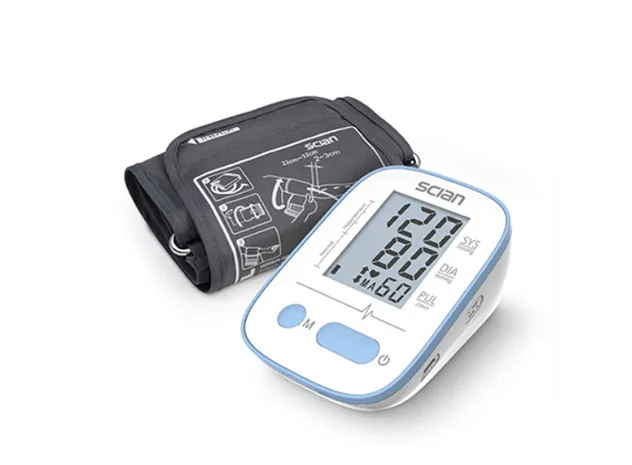
Maintain a regular habit of monitoring your blood pressure. Use a certified upper-arm electronic blood pressure monitor. Measure your blood pressure 2–3 times in the morning and again 2–3 times in the evening, recording the average readings. Bring these records to your doctor for reference during visits. If your blood pressure persistently exceeds 140/90 mmHg or if you experience symptoms such as dizziness or headache, seek medical attention promptly.
Lifestyle Interventions: Key measures include sodium restriction, increased intake of fruits and vegetables, at least 150 minutes of moderate-intensity aerobic exercise weekly, smoking cessation, alcohol moderation, maintaining healthy sleep patterns, and stress reduction.
Pharmacological Therapy: Antihypertensive medication should be taken strictly as prescribed by a physician.
Special Populations: Hypertension during pregnancy requires active intervention to prevent maternal and fetal complications.
 English