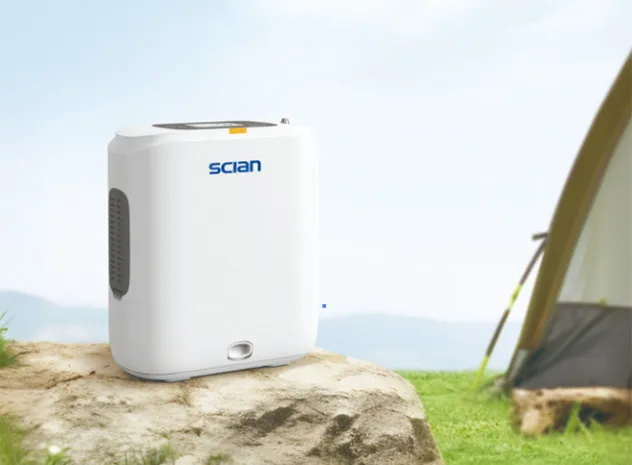
Respiratory therapy mainly relies on two types of devices: oxygen concentrators for "oxygen supply" targeting hypoxemia, and nebulizers for "drug delivery" targeting airway inflammation or spasms.
Oxygen Concentrator
It concentrates oxygen from the air through physical methods (such as molecular sieves), providing oxygen at concentrations as high as 90% or more to correct hypoxemia.
Indications: Chronic hypoxia caused by chronic obstructive pulmonary disease (COPD), pulmonary fibrosis, pulmonary hypertension, heart failure, advanced lung cancer, etc. Also used for emergency treatment of sudden hypoxia.
Corresponding symptoms:
Blood oxygen saturation below 94% (or the level recommended by a physician)
Shortness of breath, cyanosis (bluish lips/fingertips)
Dizziness, drowsiness, worsening breathlessness upon activity
Note: Not every case of shortness of breath requires oxygen therapy; it must be based on blood oxygen monitoring results. Oxygen therapy offers no benefit to healthy individuals and may be harmful.
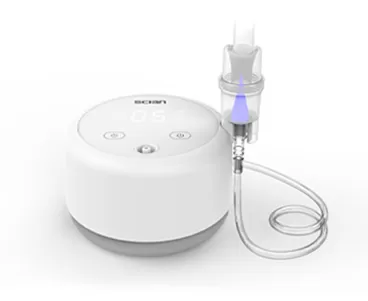
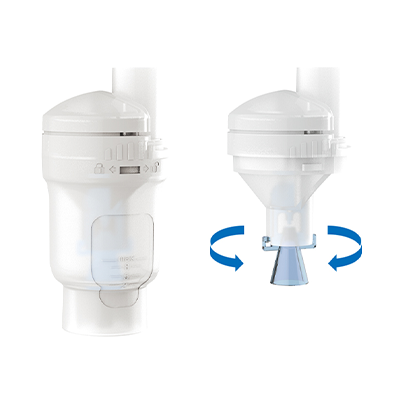
Nebulizer
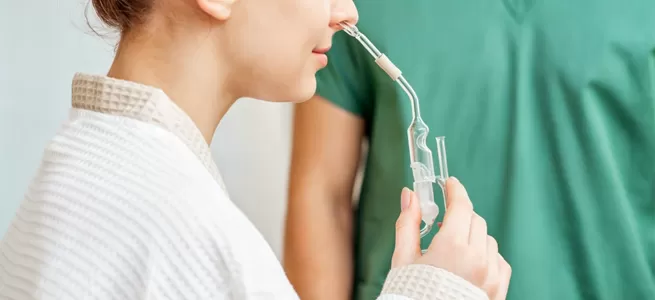
It converts medication into tiny aerosol particles that are inhaled directly into the airways and lungs, providing rapid local action with minimal systemic side effects.
Indications: Asthma, acute laryngitis, bronchitis, pneumonia, acute exacerbation of COPD, bronchiectasis, etc.
Corresponding symptoms:
Severe coughing (especially worsening at night or in the early morning)
Wheezing (whistling sound during exhalation)
Stridor (a "hoarse" or rough sound from the throat)
Chest tightness, thick and difficult-to-expectorate sputum
Note: Nebulization must be used with medications prescribed by a physician. Do not substitute with water or saline solution alone.
Special Case: Both May Be Used Together
During an acute exacerbation of COPD or severe asthma, the patient may experience both hypoxia and airway spasms. The correct sequence is: administer nebulized medication first to relieve the spasm, then provide oxygen (because if the airways are blocked, oxygen cannot effectively reach the lungs).
 English