




HONSUN(NANTONG)CO., LTD
Digital blood pressure monitors are ideal for daily home monitoring of hypertensive patients, primary clinic screenings, and health check centers. Regular self-measurement enables early detection of blood pressure fluctuations, assists physicians in treatment adjustments, and helps prevent cardiovascular events.
What is Digital Blood Pressure Monitor?

What is Digital Blood Pressure Monitor?

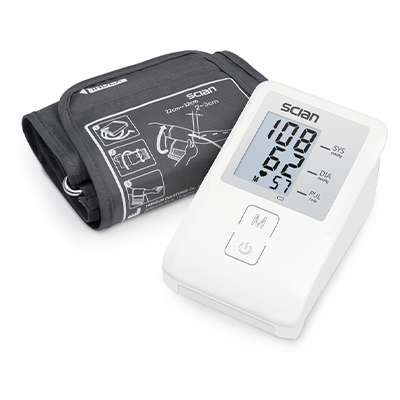
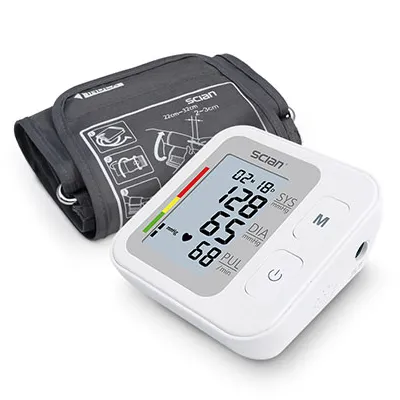
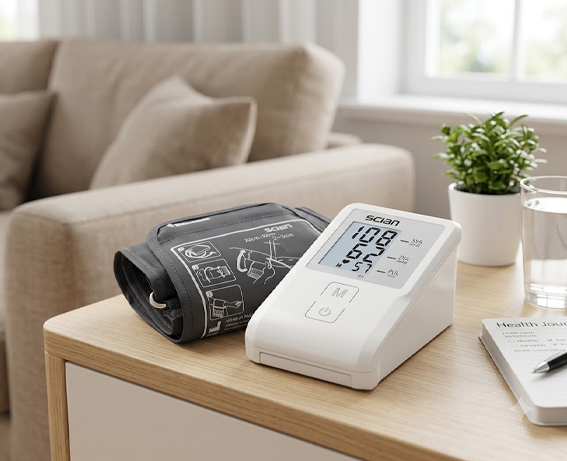
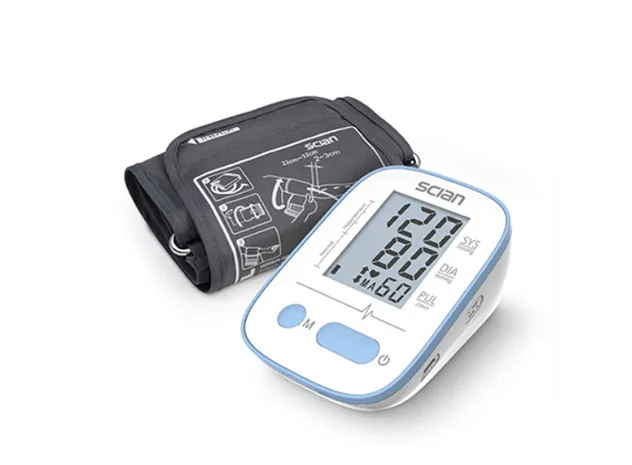
A digital blood pressure monitor is a home medical device that uses oscillometric technology to detect arterial pulsations during cuff inflation and deflation, automatically measuring systolic pressure, diastolic pressure, and heart rate.

How to Use Digital Blood Pressure Monitor?
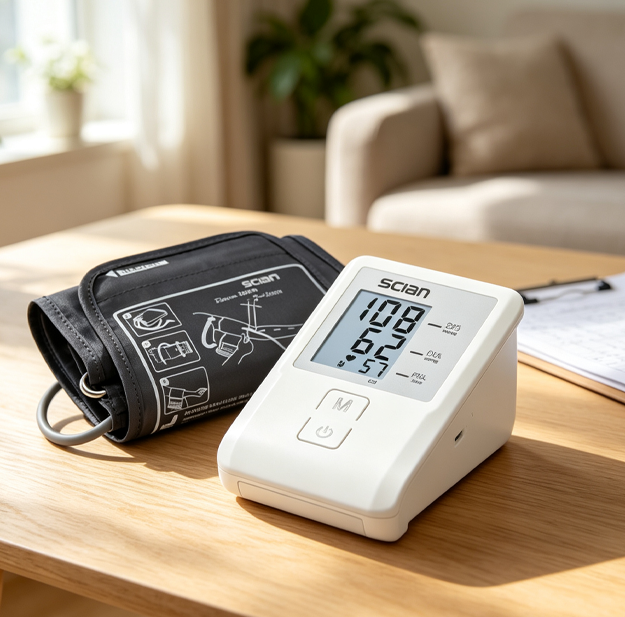
How to Use Digital Blood Pressure Monitor?
Key Usage Points:
  • 01

    Preparation:Rest quietly for 5 minutes before measuring; avoid talking or moving.


  • 02

    Posture:Sit upright with feet flat on the floor, arm resting on a table so the cuff is at heart level.


  • 03

    Placement:Wrap the cuff around your bare upper arm, with its lower edge 2-3 cm above the elbow crease; snug enough to insert one finger.


  • 04

    Measurement:Press the start button and remain still until reading is complete.


  • 05

    Recording:Read systolic, diastolic, and pulse values on the screen; measure at the same time daily for comparison.


Advantages of Digital Blood Pressure Monitor

Accurate Reading
Accurate Reading

Oscillometric method with smart chip, error within ±3mmHg.

Easy to Use
Easy to Use

One-button start, fully automatic measurement — no stethoscope needed.

Large Display
Large Display

High-definition screen shows blood pressure and pulse simultaneously.

Memory Storage
Memory Storage

Stores multiple readings for easy tracking of blood pressure trends.

Alert Function
Alert Function

Detects irregular heartbeat and provides blood pressure level warnings.

FAQs of Digital Blood Pressure Monitor

  • Why are my readings different from those at the hospital?

    “White coat hypertension” (nervousness at the hospital) or differences in time, posture, or cuff placement may cause variation. Measure at the same time daily while relaxed and take the average for comparison.


  • Which is better — wrist or upper arm monitor?

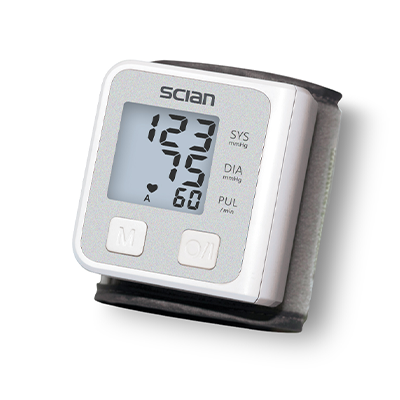
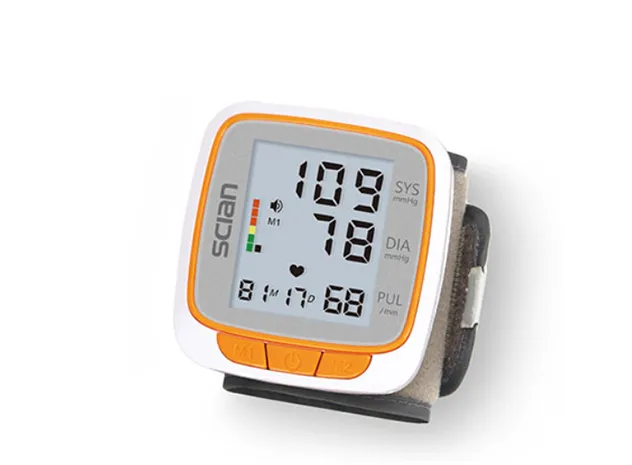
    Upper arm monitors are more accurate and recommended as the first choice for home monitoring. Wrist monitors are more portable but require the wrist to be at heart level for accurate readings.


  • How often needs calibration?

    Calibrate every 1-2 years by the manufacturer or an authorized service center — or anytime a comparison with hospital readings shows a deviation >5mmHg.7.

How Can We Help You?
If you have any questions about Remote Monitoring Healthcare Devices, you can leave a message online or contact us!
We use cookies to offer you a better browsing experience, analyze site traffic and personalize content. Part of the tracking is necessary to ensure SEO effectiveness,
By using this site, you agree to our use of cookies. Visit our cookie policy to learn more.
Reject Accept