



HONSUN(NANTONG)CO., LTD
A nebulizer is a medical device that converts liquid medication into tiny aerosol particles (typically 1–5 microns in diameter), allowing patients to deliver the medication directly to the respiratory tract and lungs through natural breathing, thereby achieving targeted local therapy.Currently, there are three types of nebulizers: compressed-air (jet) nebulizers, ultrasonic nebulizers, and vibrating mesh nebulizers.
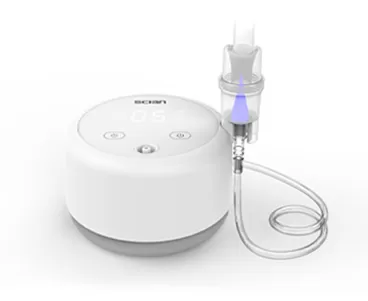
What is Compressor Nebulizer?

What is Compressor Nebulizer?

The working principle of a nebulizer is to utilize compressed air, high-frequency ultrasonic vibration, or vibrating mesh technology to break liquid medication into inhalable aerosol particles, allowing effective deposition in the lower respiratory tract without the patient needing to inhale forcefully. It is suitable for asthma, chronic obstructive pulmonary disease (COPD), bronchitis, pneumonia, cystic fibrosis, allergic cough, and other respiratory conditions.


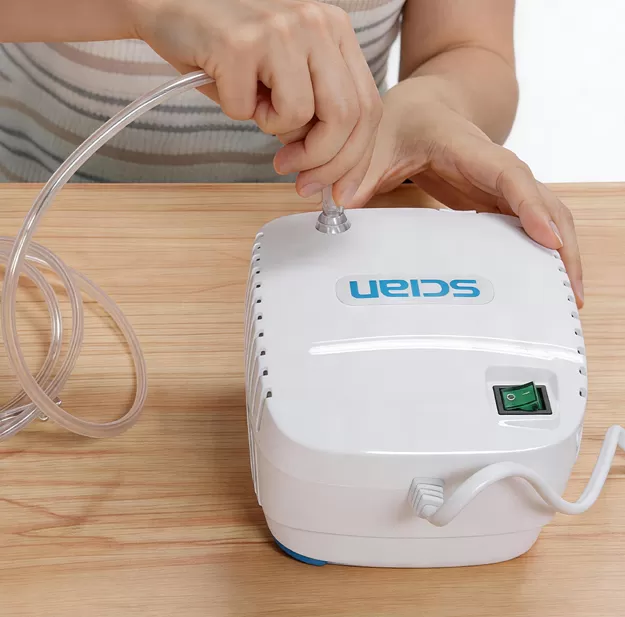
How To Use A Compressor Nebulizer

How To Use A Compressor Nebulizer
Key Usage Points:
  • 01

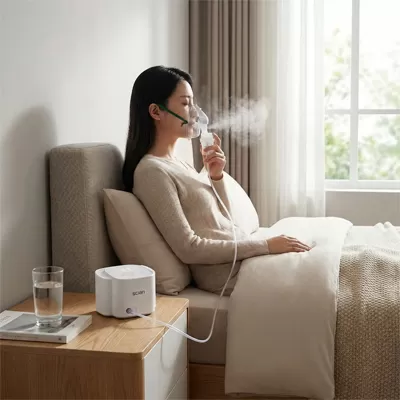
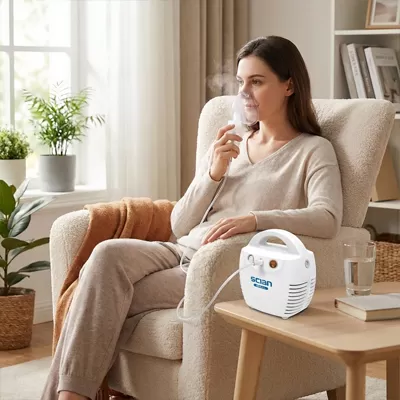
    Maintain a sitting or semi-reclined position during treatment. Use a mouthpiece or mask and breathe calmly.


  • 02

    Clean the nebulizer cup, mouthpiece/mask after each use and allow them to air dry.

  • 03

    Disinfect regularly (weekly boiling or soaking in disinfectant solution).

  • 04

    Replace the device's air filter according to the instruction manual.

Advantages of Our Compressor Nebulizer

High Cost-effectiveness

Low equipment and consumable costs, making it the most common type used in home and primary healthcare settings.

Appropriate Particle Size

Produces aerosol particles of 1–5 microns, enabling effective deposition in the lower respiratory tract and lungs for reliable therapeutic outcomes.

Durable Construction with Low  Failure Rate
Durable Construction with Low Failure Rate

No complex electronic components (e.g., vibrating mesh); simple mechanical design suitable for long-term, frequent use.

Wide Applicability
Wide Applicability

Compatible with most nebulized medications (corticosteroids, bronchodilators, antibiotics, etc.); suitable for both adults and children.

Easy Maintenance
Easy Maintenance

Only requires regular cleaning of the nebulizer cup and occasional replacement of the air filter; no frequent calibration or special care needed.

FAQs of Compressor Nebulizer

  • Should I breathe through my mouth or nose during Respiratory Therapy?

    Prioritize deep inhalation through the mouth and exhalation through the nose. If using a mask, breathe normally. Mouth inhalation reduces drug deposition in the nasal passages, allowing it to reach the lower respiratory tract more directly.

  • Does Respiratory Therapy cause dependence or side effects?

    "Dependence" and "resistance" primarily refer to certain systemically used narcotics, anesthetics, and antibiotics. Bronchodilators and corticosteroids used in nebulization, when taken within a prescribed treatment course, do not produce addiction-like dependence. When used under medical guidance, there is no need for excessive fear.

  • The more expensive the Respiratory Therapy Devices , the better

    "Dependence" and "resistance" primarily refer to certain systemically used narcotics, anesthetics, and antibiotics. Bronchodilators and corticosteroids used in nebulization, when taken within a prescribed treatment course, do not produce addiction-like dependence. When used under medical guidance, there is no need for excessive fear.

How Can We Help You?
If you have any questions about Remote Monitoring Healthcare Devices, you can leave a message online or contact us!
We use cookies to offer you a better browsing experience, analyze site traffic and personalize content. Part of the tracking is necessary to ensure SEO effectiveness,
By using this site, you agree to our use of cookies. Visit our cookie policy to learn more.
Reject Accept